


Learning to Ask
If there's no recipe, then what? Not another formula — that would be unbearable irony — but a posture. The manna couldn't be stored. It had to be gathered fresh every morning. That's not a flaw in the system. That's the system.

He Never Healed the Same Way Twice
Mud and spit. A word from across town. "Stretch out your hand." A touch. "Go show yourselves to the priests." If anyone could have run a healing formula, it was Jesus. He pointedly never did — because every healing was a relationship, not a transaction.

Why We Want the Checklist
We don't reach for formulas because we're lazy. We reach for them because a checklist lets you have the results of a relationship without the relationship. Israel wanted a king. The Pharisees wanted rules. We want a recipe. It's all the same fear underneath.

When the Old Method Becomes Disobedience
Two nearly identical scenes. No water, a grumbling crowd, a rock. The first time, God said strike it. The second time, God said speak to it. Moses ran the old recipe — and it cost him the Promised Land. Sometimes last time's obedience is this time's rebellion.

Same Enemy, New Orders
The Philistines attacked David in the same valley twice in a row. He'd just won there six verses earlier — he had a method that worked. What David did instead of running it again is the entire reason he's remembered as a man after God's own heart.

The Cliché That Proves the Point
"The walls come down" is everywhere in worship music right now. Here's the irony nobody mentions: Jericho is the least repeatable story in the entire Bible. We took the one battle God designed to never happen again and turned it into a formula.

A Conversation That's Already Open
It's a beautiful idea on Sunday and a strange thing to live by on Monday. If God is fully available, already moving toward you, and not waiting on a polished prayer — what changes about your Tuesday? More than you'd think, and most of it is in the small stuff.
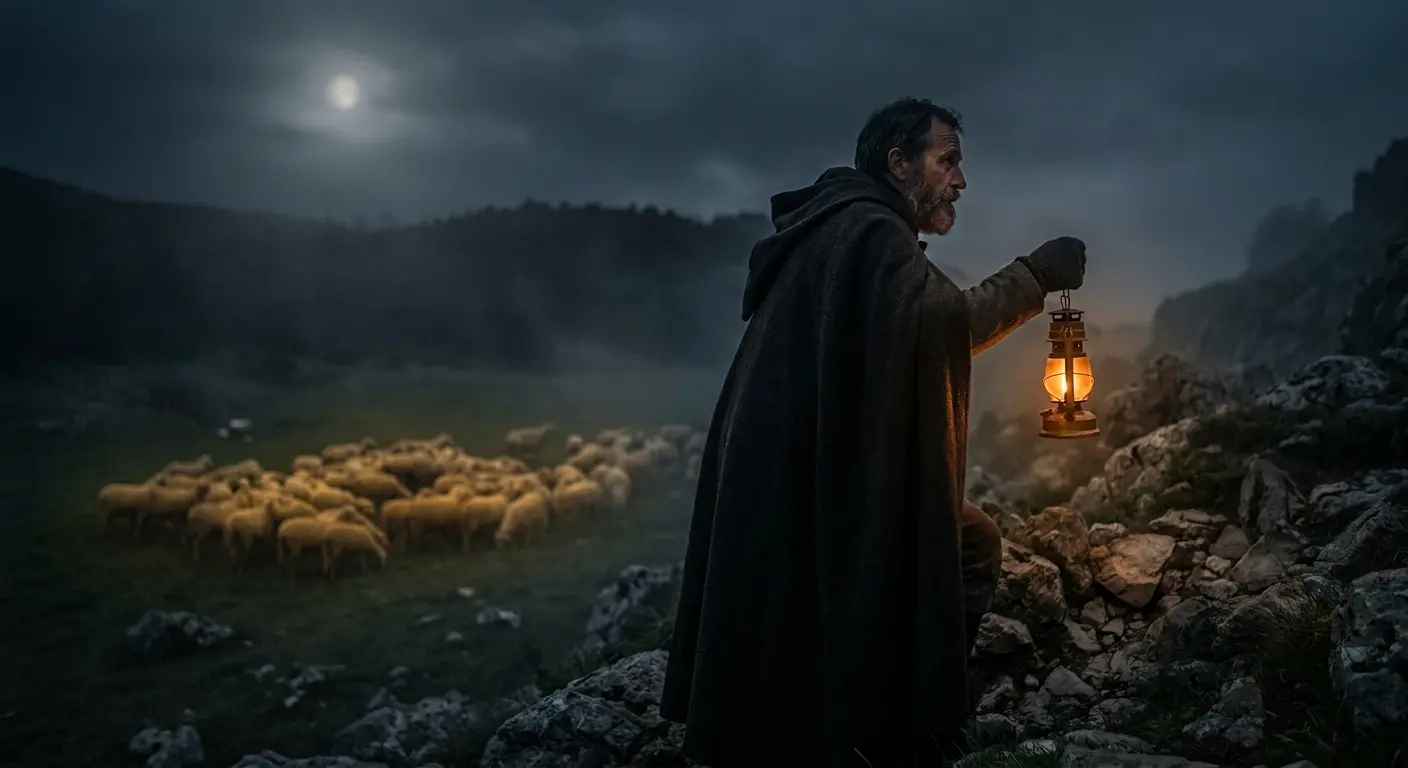
He Comes Toward You
Most of us pray like we're trying to get God's attention. Like we have to wave Him down before the real conversation can start. Jesus told three parables in a row to break that picture. Every one of them is about a God who moves first.
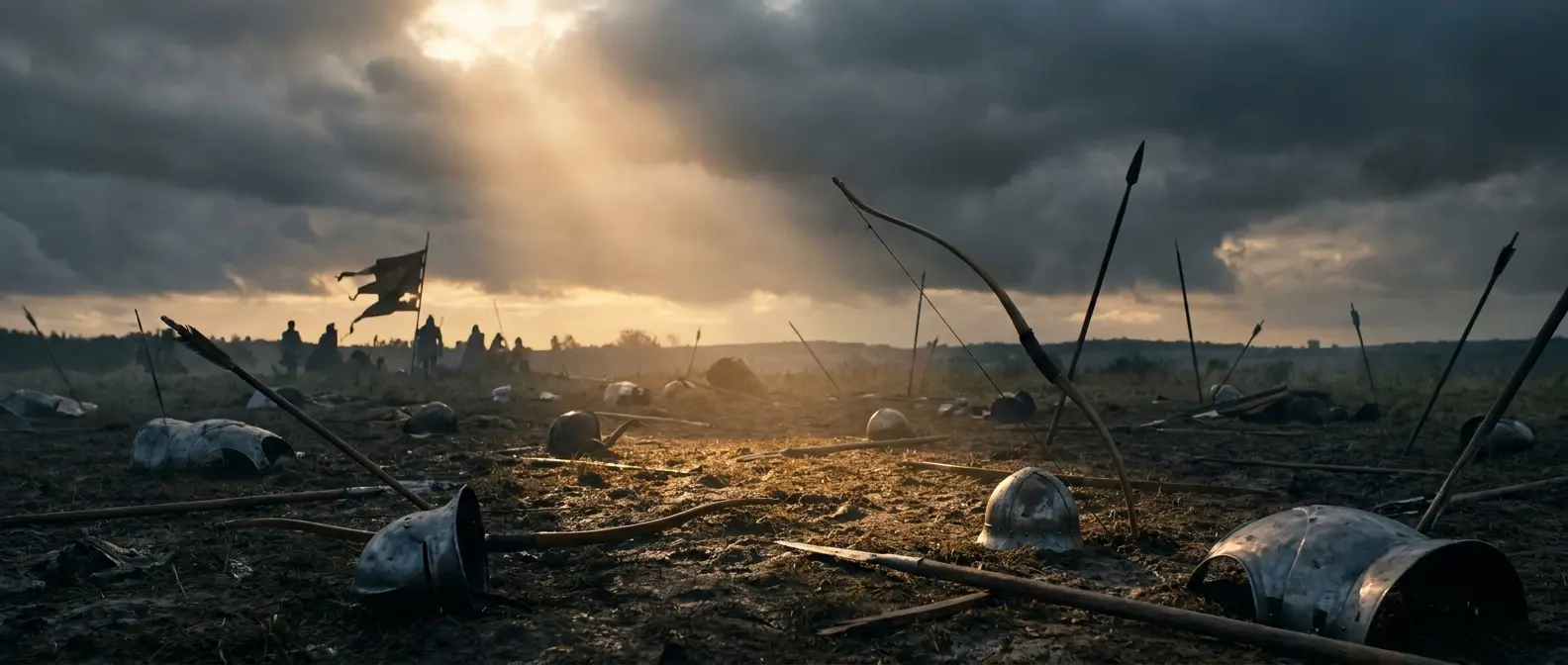
"Be Still and Know That I Am God" — The Verse That's Not About Your Quiet Time
The yoga-studio verse. The meditation-app verse. The calming lock-screen wallpaper verse. But Psalm 46 isn't a whispered invitation to morning devotions. It's a war psalm. And the 'be still' is a thunderous command to a raging world.

Why You Stopped Talking
Most prayer lives don't die from rebellion or doubt. They die from a quiet assumption — that He's busy, that your stuff is too small, that you've already used up your turn. None of those assumptions survive the New Testament for very long.

"Ask Anything in My Name" — The Promise With a Catch
Whatever you ask in My name, I will do it. It's the verse behind a whole genre of American prayer: name it, claim it, sign it in Jesus, wait for delivery. But the sentence right after it reframes the whole thing. And if you skip it, prayer turns into a vending machine God never offered.

The Math That Doesn't Apply to God
There are billions of people on the planet. You assume that means God's attention is spread thin — that He's busy, that you're interrupting, that He has bigger things on His plate. The assumption sounds humble. It's actually the reason your faith starts to feel cold and the conversation between you and God slowly goes silent.

"All Things Work Together for Good" — The Comfort That Comes With a Cost
It's the funeral verse. The miscarriage verse. The cancer-diagnosis verse. We quote Romans 8:28 to steady ourselves when life caves in. But most of us stop reading one verse too soon. Verse 29 tells us what the 'good' actually is. And it's not comfort.

"I Can Do All Things Through Christ" — The Verse Paul Wrote From Prison
It's the gym-poster verse. The Super Bowl touchdown verse. The tattoo verse. But Paul wrote it from a prison cell, and the sentence right before it isn't about winning. It's about surviving with your soul intact when you're losing.

"I Know the Plans I Have for You" — The Verse That Was Never About Your Career
It's on graduation cards, coffee mugs, and senior pastor Instagram accounts. It's probably the most quoted verse in American Christianity. And it was originally written to people who were about to spend seventy years in a country they hated.

"But You Would Not" — The Four Words That Explain Your Exhaustion
The verse you've seen on a coffee mug. The sentence printed right after it. And why the scariest part of Isaiah 30:15 isn't God's offer. It's the answer He got back.

Coming Home to Grace
For the recovering legalist. For the person wounded by weaponized theology. For anyone who walked away because the people who claimed to represent God were the cruelest people they knew. There is a way back. And it doesn't start with trying harder.

The Mark We're Aiming For
We've diagnosed the disease. Now for the prescription. What does it actually look like to hit the mark? Jesus answered that question directly, and His answer was so simple it offends the theological establishment.
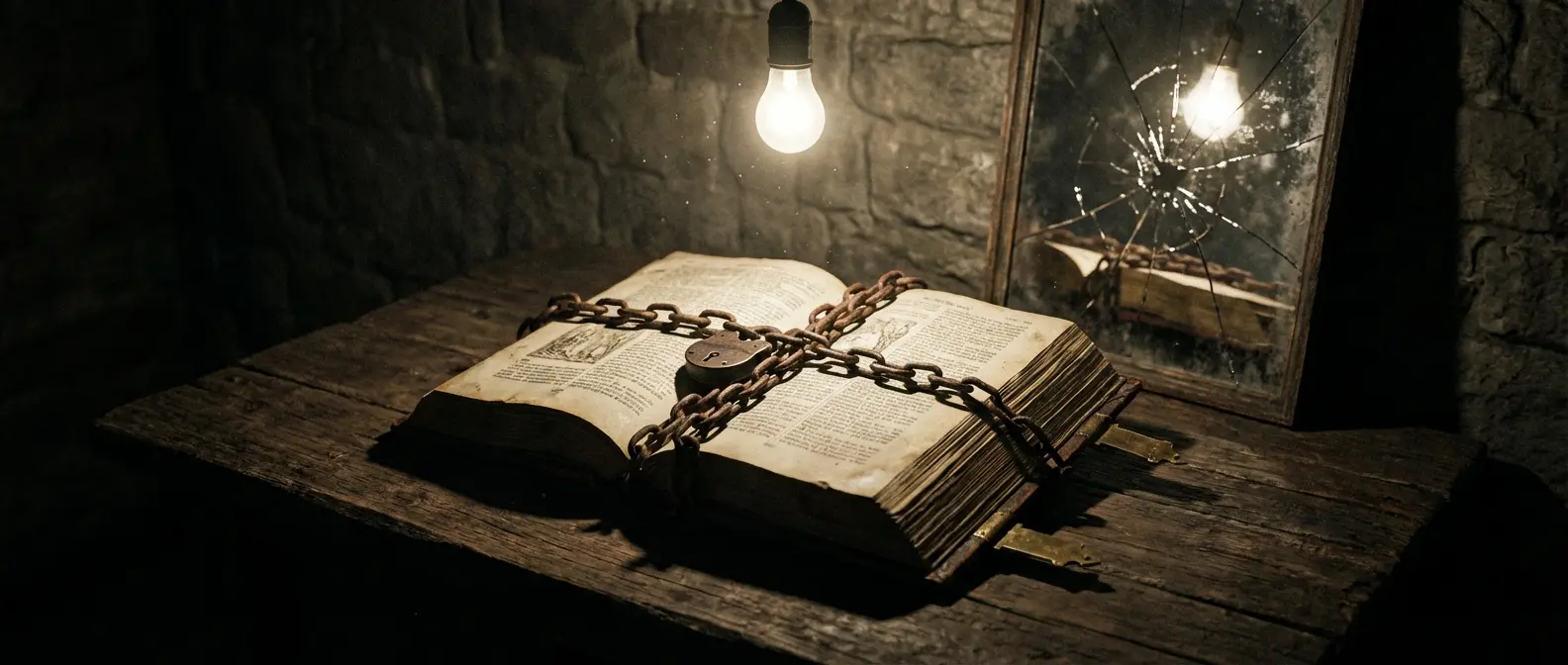
The Weaponized Bible
When Scripture becomes a club instead of a mirror, something has gone deeply wrong. This study examines the difference between conviction and condemnation, and how legalism doesn't just damage faith — it destroys families.

Knowledge Without Love
1 Corinthians 13 wasn't written for weddings. It was written to a church that prized spiritual gifts over spiritual fruit, knowledge over kindness, being right over being loving. Paul wasn't writing poetry. He was issuing a warning.

The Experts Who Missed It
The Pharisees memorized entire books of the Bible, tithed on their spice racks, and built their identity around getting it right. They were the most committed, most disciplined Bible students of their day. Jesus's harshest words were reserved for them. Why?

The Archer's Paradox
The Greek word for sin — hamartia — means 'missing the mark.' But what IS the mark? If you've been aiming at doctrinal perfection, theological precision, or moral scorekeeping, you might be the best archer in the room — and still missing everything.

Full Circle — The Vine of John 15 and the Fruit of Galatians 5
The vine Jesus described and the fruit Paul described are the same life, seen from two angles. In this final part, we lay John 15 and Galatians 5 side by side — because the root that holds you is the root that grows the fruit, and you were designed to do this connected.
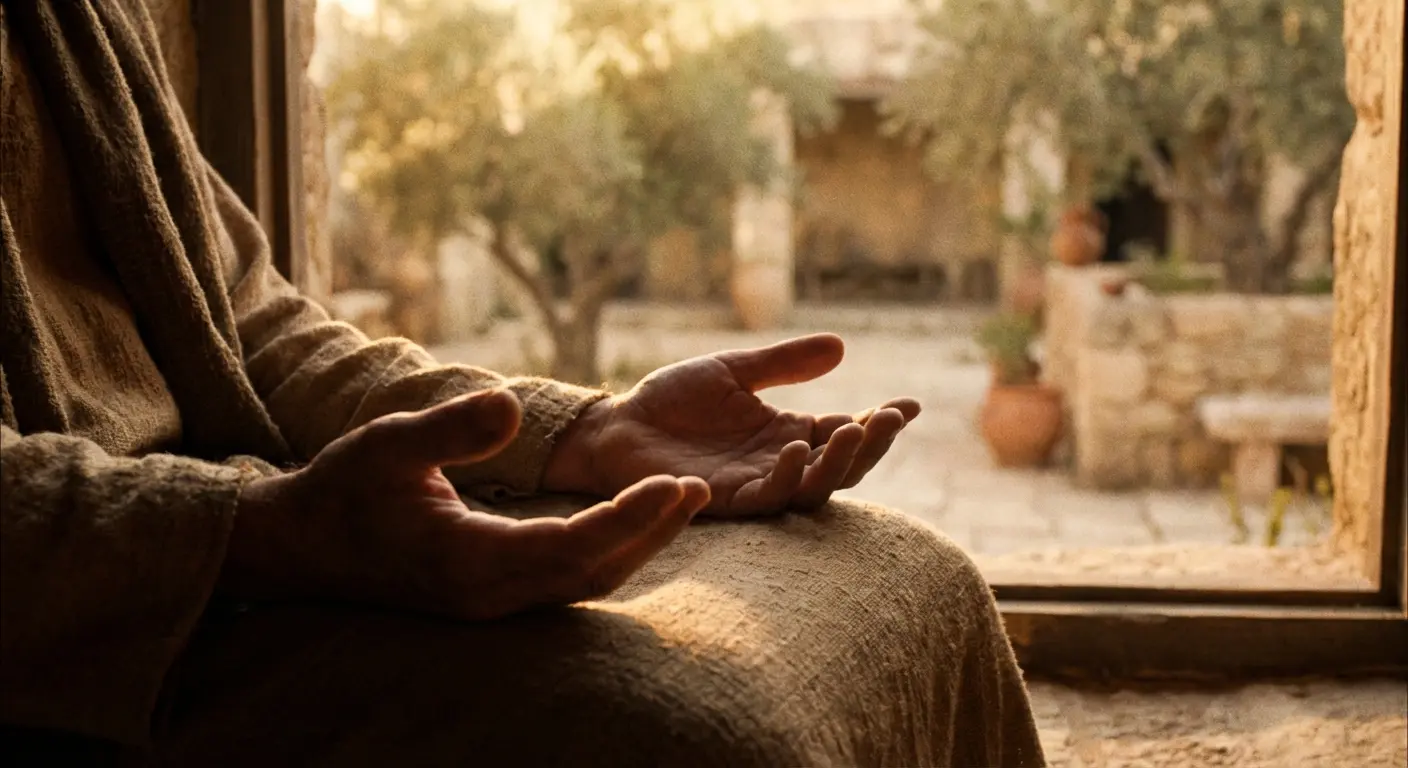
Being vs. Trying — Why Walking by the Spirit Isn't What You Think
'Walk by the Spirit' is one of those phrases that gets quoted from pulpits and then collapses the moment your alarm goes off on Tuesday. Paul lays out the difference between white-knuckling holiness and organic transformation — the shift from trying to being.
One Fruit, Nine Flavors — What Actually Grows When You're Connected to the Vine
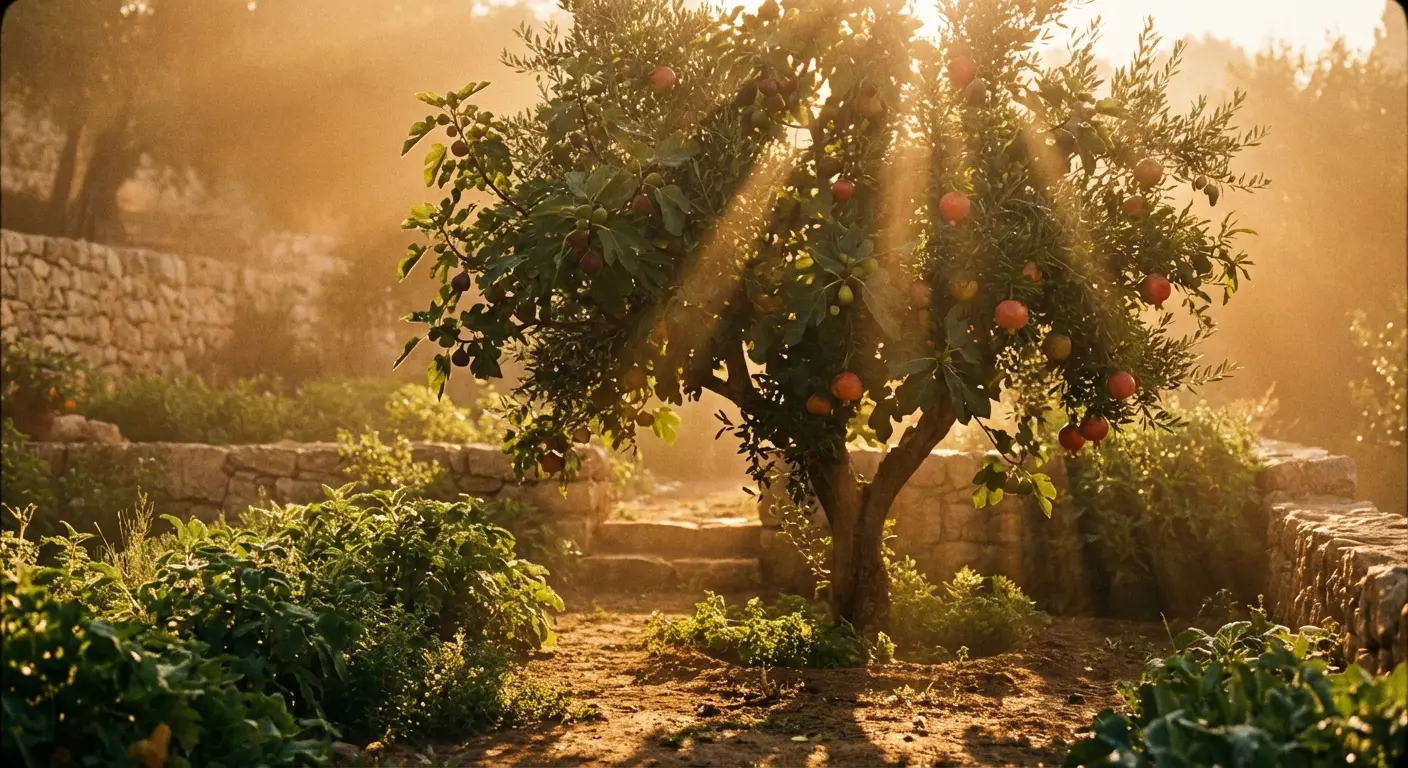
Galatians 5:22-23 has been printed on enough bookmarks and coffee mugs to paper a small church. Love, joy, peace, patience, kindness, goodness, faithfulness, gentleness, self-control. But there's a grammatical detail sitting in the Greek that changes how the whole list works: fruit — singular. Not nine achievements. One life, expressed nine ways.

The Uncomfortable Mirror — What Grows When You're Disconnected from the Vine
Galatians 5:19-21 is the list most of us skim and skip. Paul names what grows in a human life that's running on its own power, and he names it with surgical precision. This isn't a guilt trip. It's a diagnosis. And you can't treat what you won't name.
The Freedom Paul Had to Explain Twice
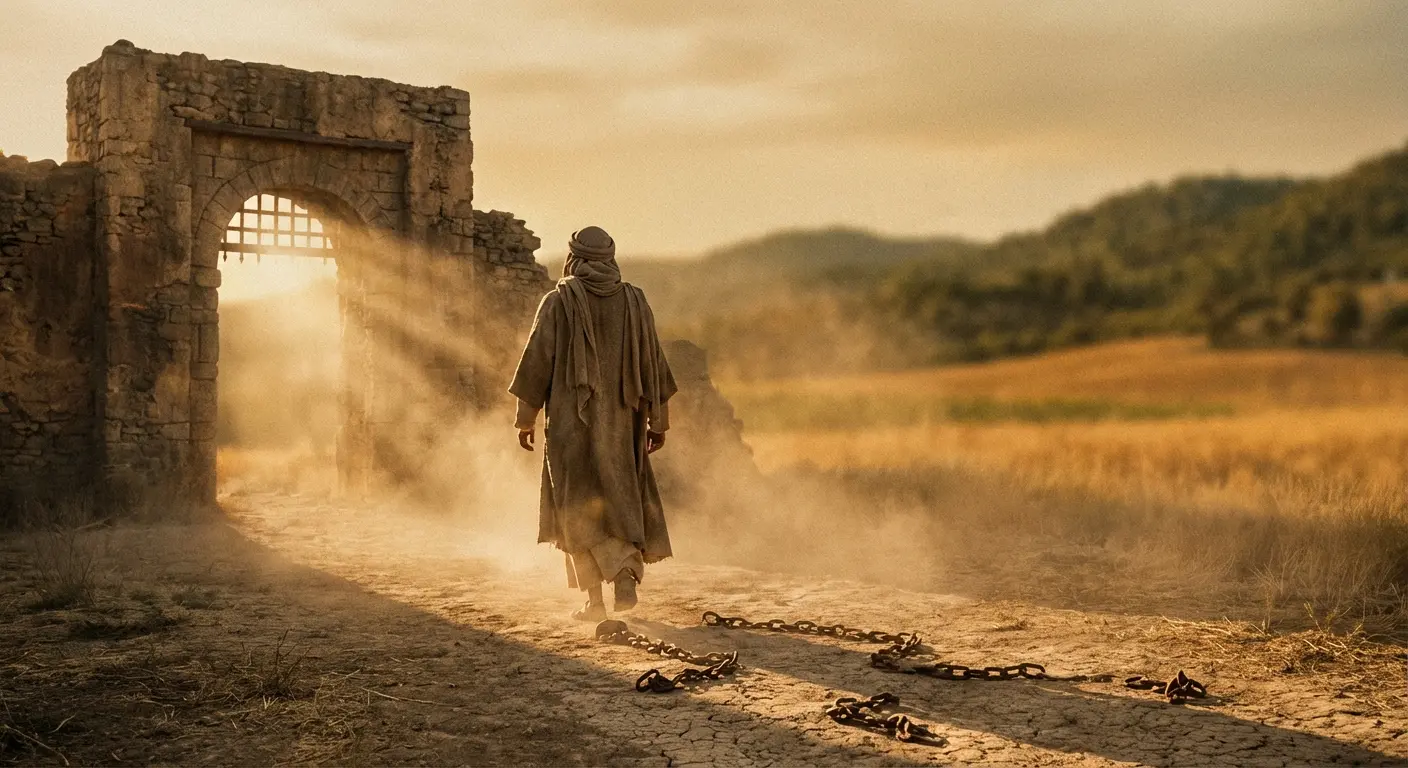
Paul opens Galatians 5 with a sentence the church has been tripping over for two thousand years: Christ set you free. But free for what? Not lawlessness. Not legalism. Something the Galatians were actively walking away from — and Paul is furious enough to spell it out.
From Servants to Friends — When Jesus Rewrote the Relationship
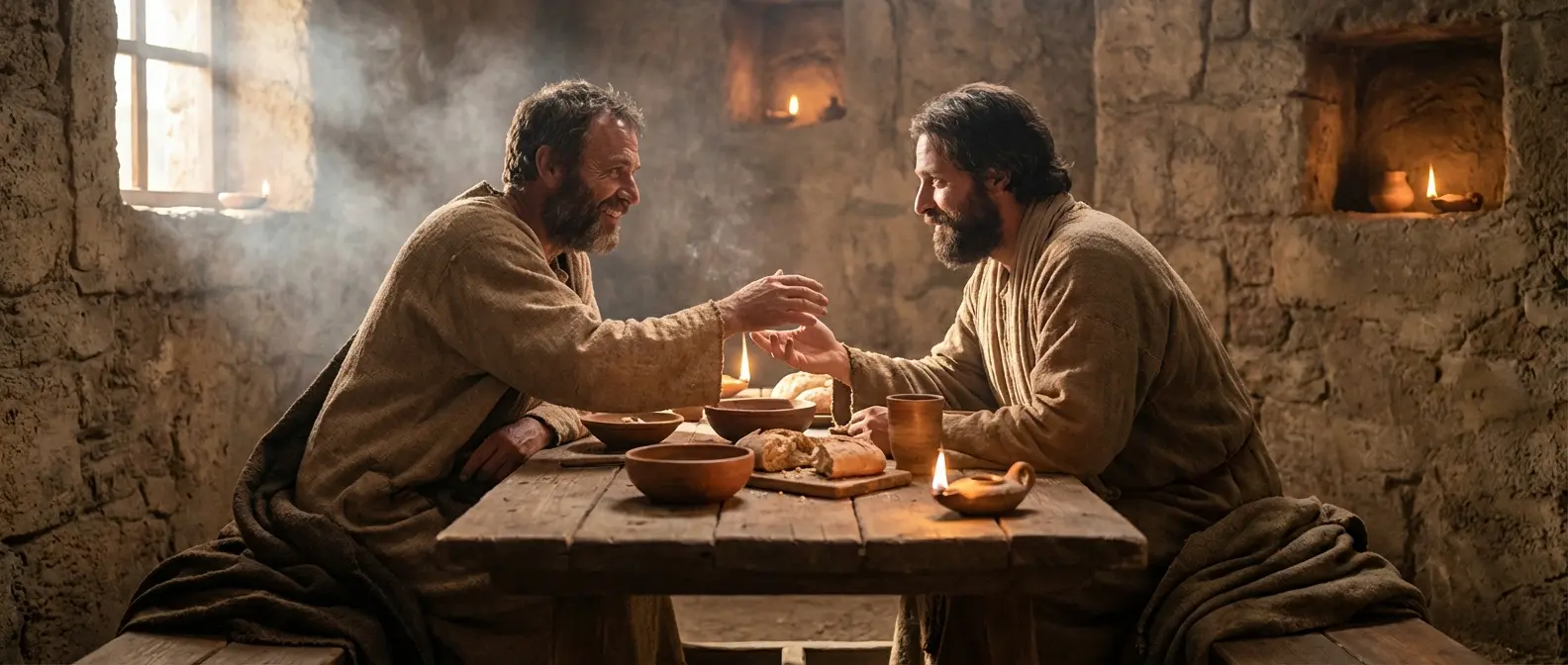
After verse upon verse of vines, branches, fruit, and fire — Jesus steps out of the metaphor and drops a single sentence that rewrites the whole relationship. 'I no longer call you servants. I have called you friends.' In a culture where the gap between rabbi and disciple was absolute, that was a word worth dying over.

The Fruit That Proves the Connection — And Why Joy Shows Up Earlier Than You'd Think
Most of us assume spiritual fruit means good behavior. Jesus starts the list with joy, and He says it on the night before His crucifixion. What John 15:7-11 reveals about what real fruit looks like — and why it can't be manufactured by a disconnected branch.

The Branch That Withers — The Hardest Verse in John 15 (And Why We Can't Look Away)
John 15:6 is the verse people skip, explain away, or weaponize. A branch that doesn't remain gets thrown into the fire. What does that mean for believers? We sit with the tension — honestly, carefully, and without easy answers.

What 'Remain' Actually Means — And Why It's Harder (and Simpler) Than You Think
Jesus uses the word 'remain' eleven times in John 15. It's not a theological concept you study — it's a relational practice you live. What abiding in the vine looks like on a regular Tuesday when God feels distant and your faith feels thin.
God Isn't a Landlord — He's a Gardener on His Knees in the Dirt
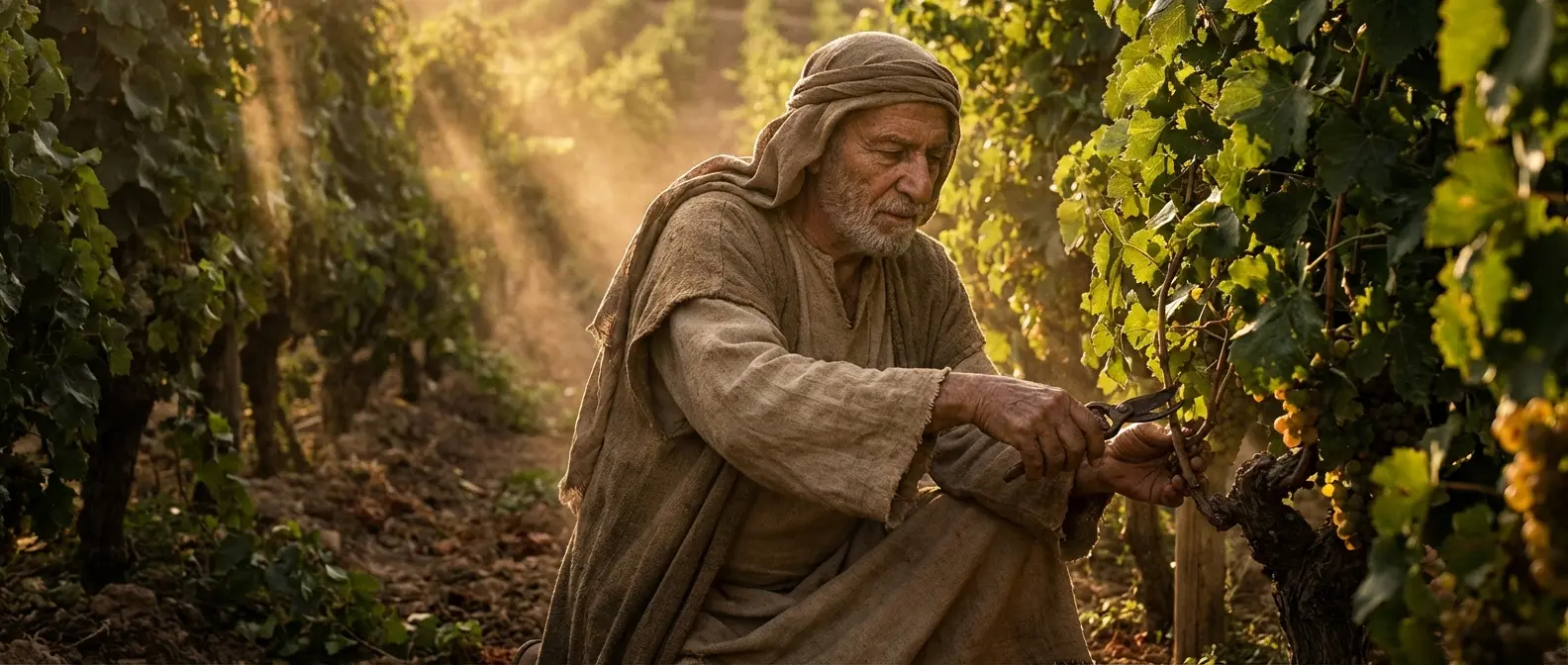
Jesus opens John 15 with a metaphor drawn straight out of Israel's long history with God — but with one word that reframes the whole thing. God isn't managing a vineyard from a distance. He's crouched in the soil, pruning what He loves. What the first three verses of the vine passage reveal about how God actually tends you.

What About People Who Never Heard the Gospel? — The Hardest Question in Christianity (Answered Honestly)
A remote village. An isolated tribe. A baby who never took a breath. If salvation is through Jesus alone, what happens to the billions who never got the chance to hear His name? The Bible's answer is more nuanced — and more hopeful — than you've been told.

How Can a Loving God Send People to Hell? — The Question That Refuses to Go Away
It's the question that has launched a thousand deconversions. If God is love, how could He condemn anyone to eternal suffering? But what if the question itself is built on an assumption the Bible never makes — and what if the real answer reframes what love actually is?

What Will Heaven Actually Be Like? — It's Not What You Think (And It's Better)
Clouds, harps, and floating forever? Most people's picture of heaven sounds more like an eternal waiting room than a paradise. Here's what the Bible actually describes — and why it's wildly more physical, more beautiful, and more alive than anything you've imagined.

Is There Really a Hell? — Three Christian Answers, and What's Actually at Stake
Pitchforks and fire? Eternal torment? Final destruction? Eventual reconciliation? Three traditions of Bible-believing Christians give three very different answers — and all of them claim Scripture is on their side. Here's what each view actually says, where they part ways, and why it matters for how you live today.

What Happens the Moment You Die? — The Answer the Bible Gives (That Most People Get Wrong)
You've heard the clouds-and-harps version. You've heard the 'lights out, game over' version. But what does the Bible actually say happens in the seconds after your last breath? The answer is more specific — and more stunning — than you think.

Nothing Can Separate You — The Closing Argument of Romans 8 (Romans 8:31-39)
Paul has built his case across 30 verses. Now he delivers the closing argument. Five rhetorical questions. A list of enemies that runs from death to demons to the unknown future. And a verdict so specific Paul dares you to find the loophole.

The Spirit Prays When You Can't Find the Words (Romans 8:26-30)
You've had those nights — face on the floor, chest tight, and you can't even form a sentence. Paul says that's exactly where the Holy Spirit steps in. And the verse he writes next — Romans 8:28 — is quoted constantly and read carefully far less often.

Why All of Creation Is Groaning — And What It's Waiting For (Romans 8:18-25)
Something is wrong with the world and you can feel it. The ache in your bones, the news that never gets better, the beauty that always fades. Paul says the entire universe feels it too — and he tells you exactly what it's all waiting for.

How Do You Know the Holy Spirit Actually Lives in You? (Romans 8:5-17)
You've been told the Spirit lives inside you. But do you feel it? Do you sense it? Paul's answer isn't a feeling at all. It's a specific pattern he says you can trace in your own life — and it's not what most sermons lead with.

"No Condemnation" — The Five Words That Should Make You Weep (Romans 8:1)
Romans 8 opens with a legal verdict that takes a second to read and a lifetime to absorb. Five words that erase the case against you — permanently. It's easy to read them too fast to feel what they actually mean.

"Open My Eyes" — The Prayer Elisha Prayed for a Servant Who Thought He Was Surrounded
Elisha's servant woke up and saw an army. Chariots, swords, certain death. Elisha looked at the same horizon and saw something else entirely. Then he prayed four words for his terrified friend, and everything changed about what the servant was looking at, without anything changing on the ground.
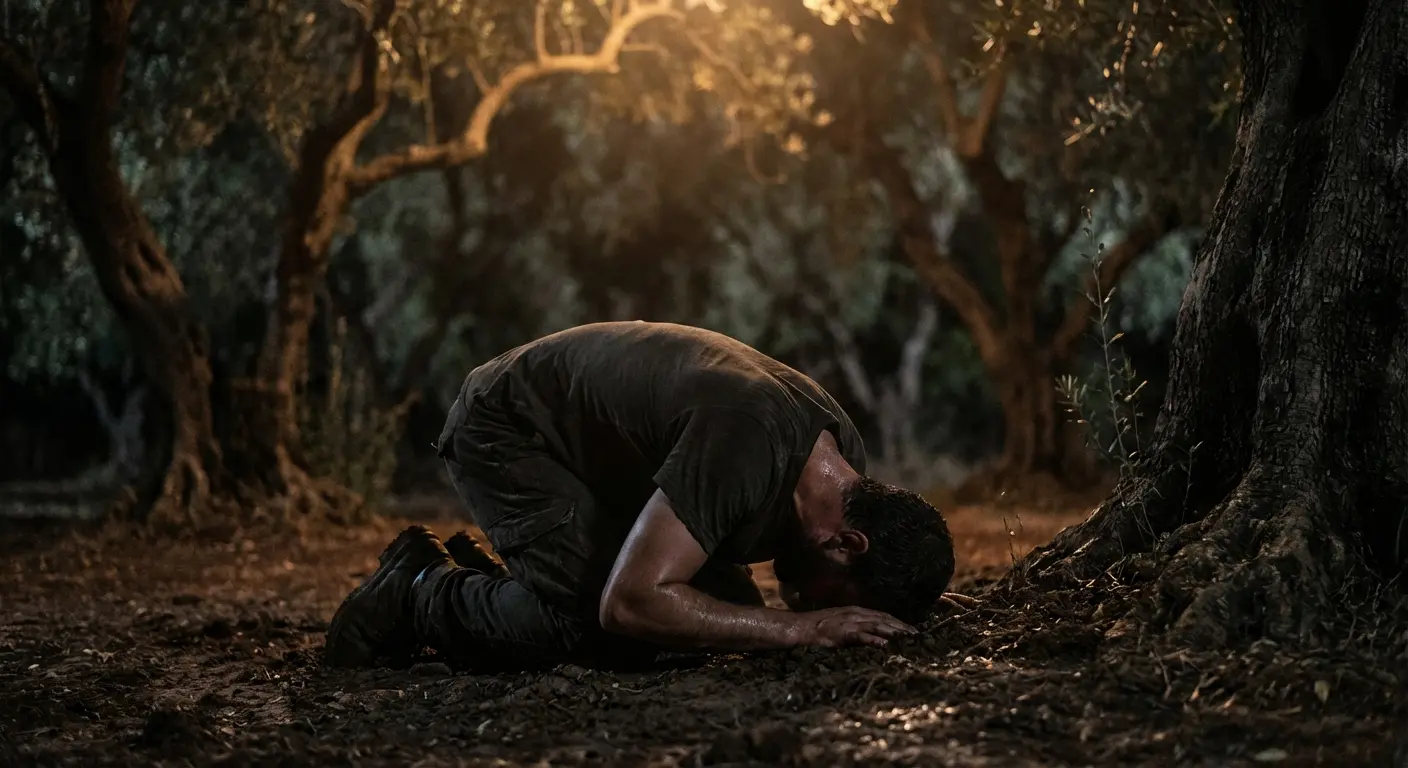
"Not My Will" — The Prayer Jesus Struggled to Pray
In a garden, past midnight, Jesus asked His Father if there was another way. The Father didn't answer. Jesus, sweating blood and trembling, prayed three words back: not my will, but yours. This is the prayer the whole series has been building toward. It's the prayer underneath every other dangerous prayer.

"Whatever It Takes" — The Prayer of a Person Who's Done Negotiating with God
God told Gideon to fight 135,000 soldiers. Then He cut the army by 99%. Gideon said yes anyway. Paul walked away from a perfect résumé. Abraham raised a knife over his own son. This is what prayer looks like once you stop handing God a checklist and start handing Him a blank check.

"Send Me" — The Two-Word Yes That Changed Isaiah's Job Description
God didn't post a job listing. He didn't send an email. He asked one question in a smoke-filled throne room, and a man who had just realized he was ruined said two words back: send me. It's the shortest prayer in Isaiah. It's also the one that cost him the most.

"Break Me" — The Prayer You Pray When You're Tired of Holding Yourself Together
We work hard at holding ourselves together. Walls up, image intact, control in both hands. Then there's David, facedown on the floor after his worst year, asking God for something strange: 'Let the bones which you have broken rejoice.' A strange thing to ask for. Until you understand why he's asking.
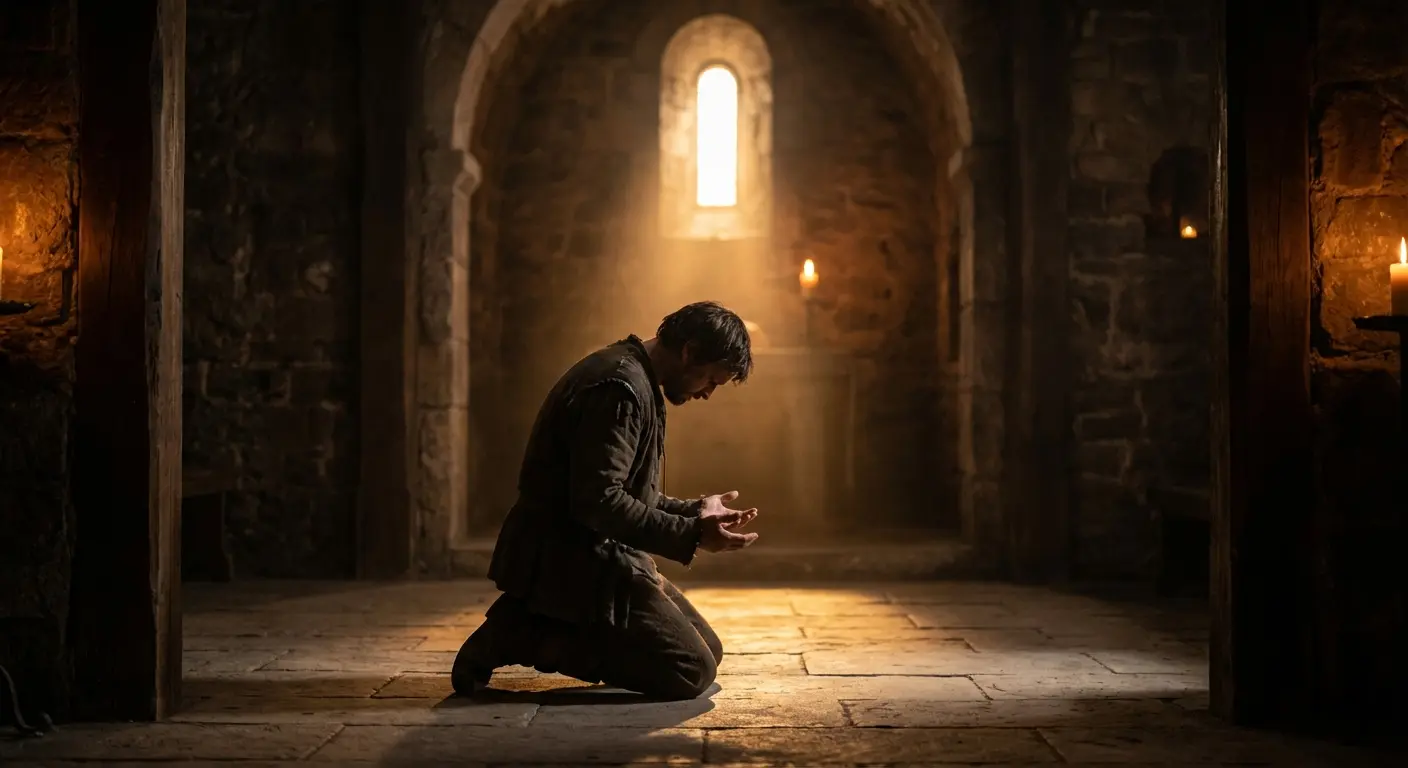
"Search Me, O God" — The Prayer That Invites God Into the Parts You've Been Hiding
David didn't ask God for protection. He didn't ask for provision. He asked God to look at the parts of himself he'd been hiding, and to not look away. Six words. Three seconds. The kind of prayer you don't pray casually once you understand what you're saying.

"Be Perfect" — The Two Words in Matthew 5:48 That Get Translated Wrong
Jesus told His followers to 'be perfect, as your heavenly Father is perfect.' Two words that have left sincere believers quietly exhausted for centuries. But the Greek word Jesus used doesn't mean flawless. It means something closer to whole — and knowing the difference changes how the verse lands.

"Deny Yourself" — The Call to Pick Up a Cross and Mean It Literally
Jesus told His followers to deny themselves, pick up a cross, and follow Him. Not a metaphor for skipping dessert. A cross — the thing people died on. The words have been softened into a phrase for minor inconvenience, but the crowd He said it to knew exactly what was meant. And what He's offering on the other side of it is the part we usually skip.

"Love Your Enemies" — The Command Jesus Gave While Walking Toward a Cross
Jesus told you to love the person who hurt you. Not tolerate. Not avoid. Love. And He said it while walking toward a cross meant for the very people He was commanding you to love. It's the command that breaks every transactional instinct humans have about love — and He never once flinched saying it.

"Do Not Worry" — The Command Jesus Repeats Six Times in Twelve Verses
Jesus didn't suggest you stop worrying. He commanded it — six times in one speech. And He said it to people who didn't know where their next meal was coming from. The command feels impossible at first, which usually means we're reading it as a rule when Jesus framed it as an argument.
"You Have to Hate Your Family" — The Jesus Quote Most Bible Studies Soften
Jesus looked at a crowd of thousands and told them to hate their parents, their spouses, their children — or they couldn't follow Him. The usual move is to reach for the softer translation and move on quickly. But the word He chose was deliberate, and the reason He chose it is the part that actually sets people free.

The Prostitute in the Bloodline of Jesus — How a Canaanite Sex Worker Ended Up in the Gospel
She was a Canaanite. A prostitute. An enemy of God's people. She had zero theological training and every reason to be destroyed along with her city. But when the walls of Jericho fell, one house stayed standing — and the woman inside it became the great-great-grandmother of King David and a direct ancestor of Jesus Christ. Rahab's story rewrites who gets to belong in God's family.

The Murderer Who Led a Nation Free — Why God Picked the Man with Blood on His Hands
Moses killed a man, buried the body in the sand, and ran. He spent 40 years hiding in a desert, convinced his story was over. Then God showed up in a burning bush — and chose the fugitive with a stutter and a criminal record to lead the greatest rescue mission in human history. If you think you're disqualified, you need to hear this.